Free resource · Texas · updated August 2026

Do you need a bird survey?

A source-backed screening guide for Texas projects. It separates governing law, project conditions, agency recommendations, and common professional practice.

How to use this guide

Start by identifying what is driving the question

There is no single federal or Texas statute that says every clearing, grading, or construction project must obtain a bird survey. A survey can still be required for a particular project — but the source of that requirement matters.

Law
A statute or regulation prohibits particular conduct, such as unauthorized take of endangered wildlife or destruction of protected bird nests. A law may apply without prescribing a survey.
Project condition
A permit, biological opinion, HCP participation agreement, agency approval, land-manager condition, contract, or client plan may require a survey, timing restriction, buffer, or report.
Recommendation
Agency guidance or a qualified professional recommends a measure. It should be taken seriously, but it is not automatically the same as a legal mandate.
Common practice
A survey or desktop review is used to document biological conditions, support planning, and reduce uncertainty even when no document expressly commands it.

The federal ESA language is changing

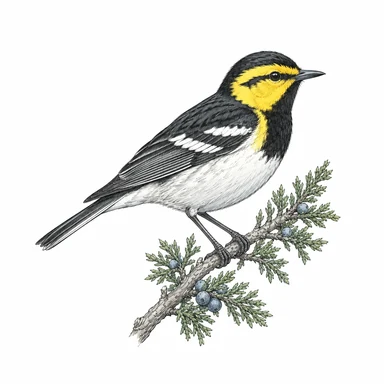
The golden-cheeked warbler remains federally listed as endangered. Section 9 of the Endangered Species Act prohibits unauthorized take of endangered wildlife, and 16 U.S.C. §1532(19) defines “take” to include several verbs, including “harm.” On 14 July 2026, the Services published a final rule removing the regulatory definition of “harm”, effective 14 September 2026. The statutory word remains, but the former regulation that expressly described certain habitat modification is being removed.

In plain termsDo not use an evergreen sentence saying that habitat modification automatically equals ESA take. Ask which law, permit, consultation, or HCP pathway applies to the project under the rules in force when the decision is made. A habitat assessment or survey documents biological facts; it does not itself issue legal clearance.

What TTB can provide

TTB can screen locations, evaluate habitat, conduct activities authorized by the applicable permit, document field findings, explain the source of a technical requirement or recommendation, and help a project team identify the next coordination step. TTB does not act as a regulator, approve development, guarantee agency concurrence, or provide legal advice.

Decision guide · updated 2026

Which bird-compliance track should you screen?

Follow every track that matches the project. This diagram identifies questions to investigate; it does not declare that a survey, permit, or buffer is automatically required.

Planning clearing, grading or building in Texas Any eagle nest on or near the property? Bald or golden — ask, don't assume YES EAGLE ACT TRACK Use the current FWS decision tool Distance, activity, visibility, timing and existing tolerated activity all matter. 330 ft and 660 ft are screening distances, not universal statutory no-work zones. Nest take requires separate authorization. NO Oak-juniper woodland in Central Texas? Mature Ashe juniper mixed with oaks YES GOLDEN-CHEEKED WARBLER TRACK Identify the applicable ESA pathway 1 · Desktop screen — any time of year 2 · Warbler habitat assessment — any time 3 · If a presence/absence survey is used: current USFWS window: March 15–June 1 Check Austin ESFO requirements each year. NO Work during a likely nesting period or a project-defined window? Timing varies by species and governing document NO DO NOT ASSUME ZERO RISK Check species and project conditions Some birds nest outside general songbird windows. Eagle chronology is separate. A permit, HCP agreement or client plan may also impose its own dates. Verify the actual source before scheduling work. YES MIGRATORY BIRD TRACK Check the governing document Survey if required or recommended; document the basis In-use nest found? Viable eggs or nestlings present YES Pause the affected work area Identify species, nest status and authority. Apply the project-specific avoidance plan, permit condition or coordination pathway. Document the basis for restarting work. NO Document observed conditions A negative survey is not permanent clearance. Follow the resurvey interval in the governing document; no universal federal period applies. APPLIES TO EVERY PATH ABOVE No single buffer, window or survey-validity period applies to every bird. Texas §§64.002 and 64.003, project documents and species-specific laws must be checked separately.
Decision Eagle Act Endangered Species Act Migratory Bird Treaty Act

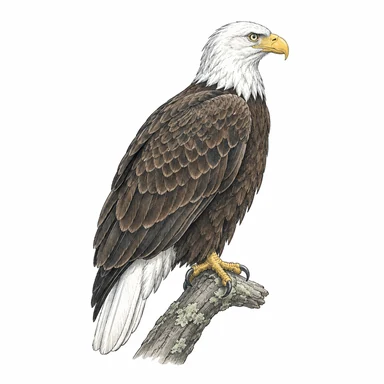
The tracks can overlap. A Central Texas project may need separate review for eagles, golden-cheeked warblers, and other nesting birds. Resolving one question does not automatically resolve the others.

Timing and sources

Dates are tied to a source—not a universal Texas closure

A date range may be an agency recommendation, a survey protocol, or a binding project condition. Those categories are not interchangeable.

TPWD general recommendation
15 Mar – 15 SepTPWD recommends phasing vegetation removal and ground disturbance outside this general nesting period. It is guidance, not a statewide statutory shutdown.
Golden-cheeked warbler protocol
15 Mar – 1 JunCurrent Austin ESFO presence/absence survey window; at least 60% of visits occur before 15 May. Check the current requirements each year.
BCCP participant condition
1 Mar – 31 AugThe Balcones Canyonlands Conservation Plan applies this restriction to covered participant activities in or near warbler habitat. It is not a rule for every Central Texas property.
Eagle distances
Activity-specificCurrent FWS materials use 330 or 660 feet for several bald-eagle scenarios, 1,000 feet for aircraft, and one-half mile for loud intermittent noise such as blasting near an in-use nest. A governing project document may be more protective.
In plain termsThere is no single “bird season” or “eagle buffer” that answers every project. First identify the species, nest status, activity, location, and document governing the work. Then apply the requirement or recommendation that actually belongs to that situation. A biological consultant can document field conditions and help identify the applicable pathway; the consultant does not issue agency clearance.

A negative survey is a time-limited field observation, not permanent clearance. Follow any resurvey interval, buffer, monitoring, or work-window condition in the permit, consultation, HCP, contract, or agency direction that governs the project.

Ask about a specific project →

Primary sources: TPWD environmental-review guidance; USFWS Austin ESFO golden-cheeked warbler survey requirements (July 2025); Balcones Canyonlands Conservation Plan participation terms; and USFWS eagle disturbance permits and activity thresholds. Orientation only, not legal advice. Last verified 26 August 2026.

Still not sure

Send the location and I’ll help identify the next step

Coordinates and a county are usually enough for a preliminary desktop screen. I can identify likely species and project pathways, explain what information is still needed, and flag when agency coordination or a field survey may be appropriate. A desktop screen is not legal clearance.