Education
B.S., Natural Resource Ecology and Management
Louisiana State University
Independent wildlife biologist with field experience since 2013.
I help consulting firms, developers and landowners find out whether listed species or nesting birds affect their plans, and I document what I find so the work can move forward: surveys, construction monitoring and compliance reporting, on projects across the country. Much of my work is as a subcontractor to environmental consulting firms.
Before going independent, I spent nine years as an environmental scientist at Arcadis (2014–2023), where I directed avian compliance for more than seven years on multi-million-dollar infrastructure and energy projects nationwide: nest-clearance surveys, monitor training, post-construction mortality monitoring, and a project-wide MBTA compliance guidance manual that cut regulatory friction for the whole project team. I also authored NEPA documentation, technical memoranda, and wetland delineation reports for federal and state permitting, and built the ArcGIS map deliverables that turned field data into regulatory-ready figures.
Alongside consulting, I kept doing the field research that makes a survey biologist good at surveys: Golden-cheeked Warbler territory mapping, nest monitoring, and banding for 30+ breeding pairs at Fort Cavazos; crew supervision on Yellow-billed Cuckoo and multi-method wildlife monitoring programs; and Mojave Desert Tortoise clearance and construction monitoring on active energy sites in Nevada.
 Habitat assessments & warbler surveys in TexasNesting bird surveys nationwide
 University of Illinois Urbana-ChampaignPublic research university
“Her meticulous attention to detail ensured that all biological data met our rigorous research standards.”
Birds, rainforests, and a good cappuccino are some of my favorite things. I care deeply about rainforest conservation, and my work in Peru, Bolivia, Madagascar, and Sumatra continues to shape how I see the natural world.
I built my first computer when I was 15. That curiosity is still with me: I love exploring how biology, AI, and emerging technology can help us ask better questions and make fieldwork more useful.
Core qualifications and field background at a glance.
Education
Louisiana State University
Federal recovery permit
ESPER32178096-0 · 2026–2031
Texas habitat assessments and presence/absence protocol surveys. Current project authorizations and site access are confirmed before fieldwork.
Field background
Southwest & Southeast field experience
Avian surveys, habitat work, and construction monitoring.
Selected courses supporting avian surveys, desert work, and biological documentation.
Surveys & species

Yellow-billed Cuckoo · 2022
Southwestern Willow Flycatcher · 2019

Regional Supplement and Waters of the U.S. training
Richard Chinn Environmental Training · 2017Safety
Other
Dedicated research-based field seasons with the species below. Select a card for research experience, species information, and official references. The 2015, 2021 and 2022 seasons were seasonal research positions I completed during my Arcadis years.
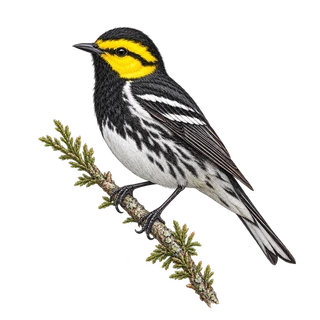
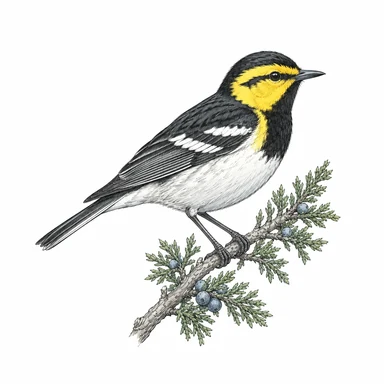 Golden-cheeked WarblerSetophaga chrysopariaUniversity of Illinois · 2024Species details
 Research experience
Avian research technician: territory mapping, nest searching, and nest monitoring at Fort Cavazos, Texas.
Federal ESA
Endangered
State listing
Texas: Endangered
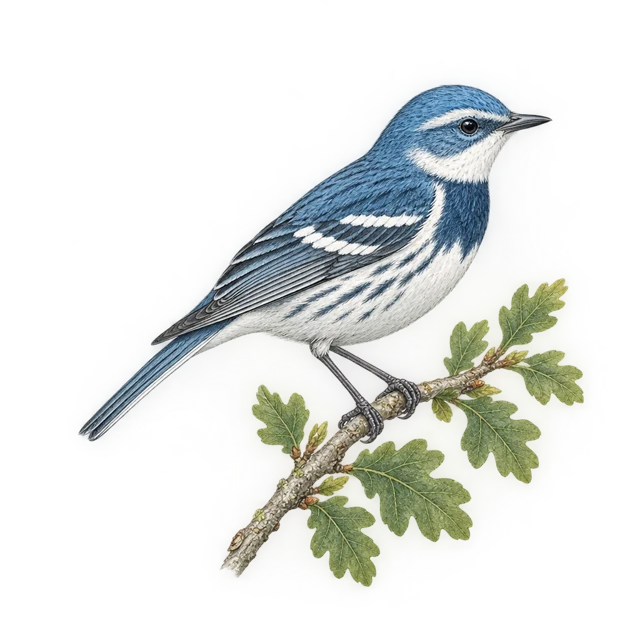 Cerulean WarblerSetophaga ceruleaIUP Research Institute · 2015Species details
 Research experience
Avian research technician: territory mapping, nest monitoring, and telemetry in Pennsylvania’s Allegheny National Forest.
Federal ESA
Not ESA-listedUSFWS Bird of Conservation Concern
State listing
Texas: Not T&E-listed
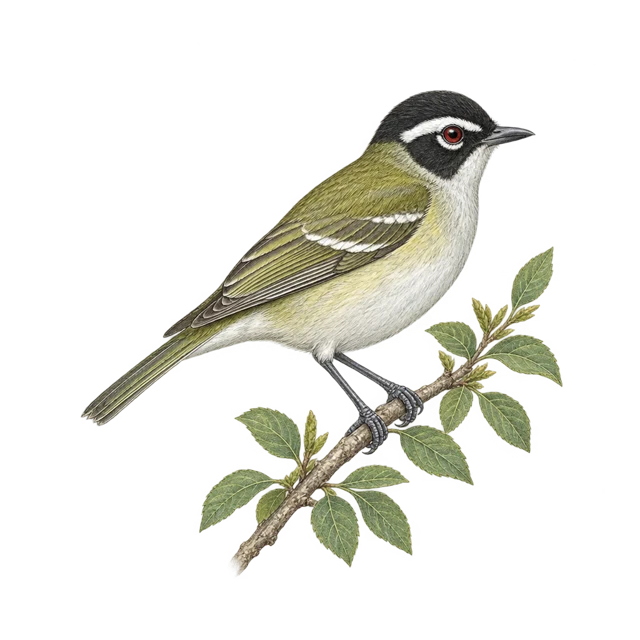 Black-capped VireoVireo atricapillaAmerican Bird Conservancy · 2021Species details
 Research experience
Avian research technician: territory mapping, nest monitoring, and point counts at Kickapoo Cavern State Park, Texas.
Federal ESA
Delisted (2018)
State listing
Texas: Not T&E-listed
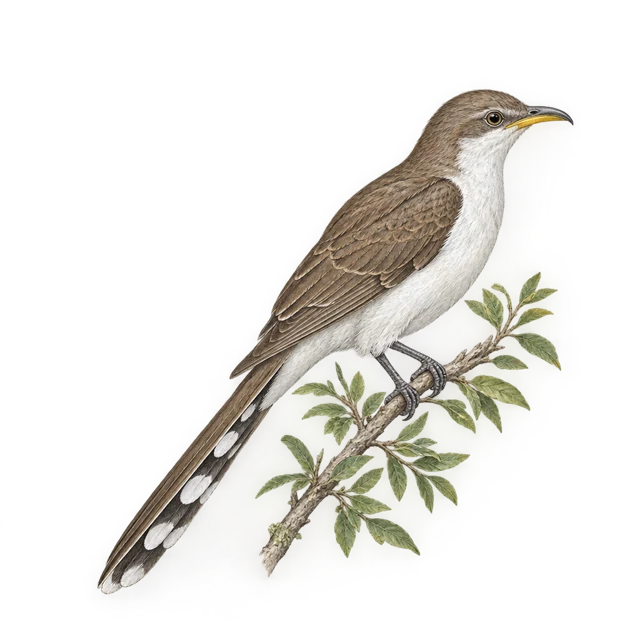 Yellow-billed CuckooCoccyzus americanusSouthern Sierra Research Station · 2022Species details
 Research experience
Field supervisor: protocol surveys, territory mapping, and crew coordination near Blythe, California.
Federal ESA
Threatened
State listing
California: EndangeredFederal: western distinct population segment; California: western subspecies.
Field experience and species-specific preparation also include:
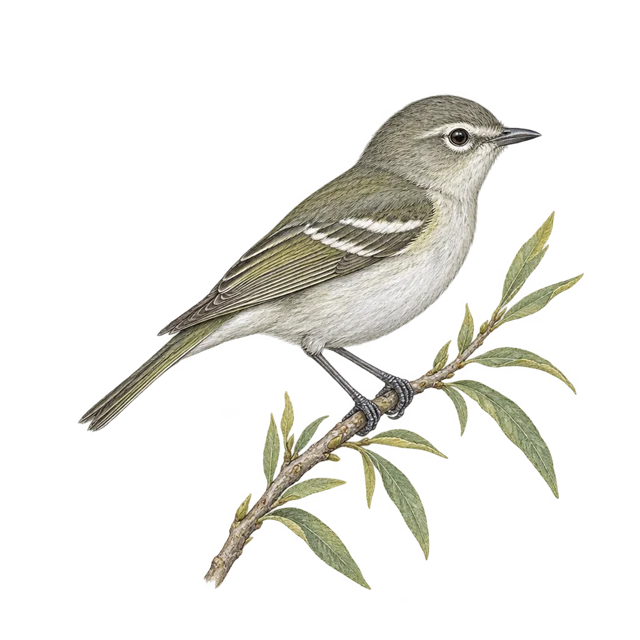 Least Bell’s VireoVireo bellii pusillusSpecies details
 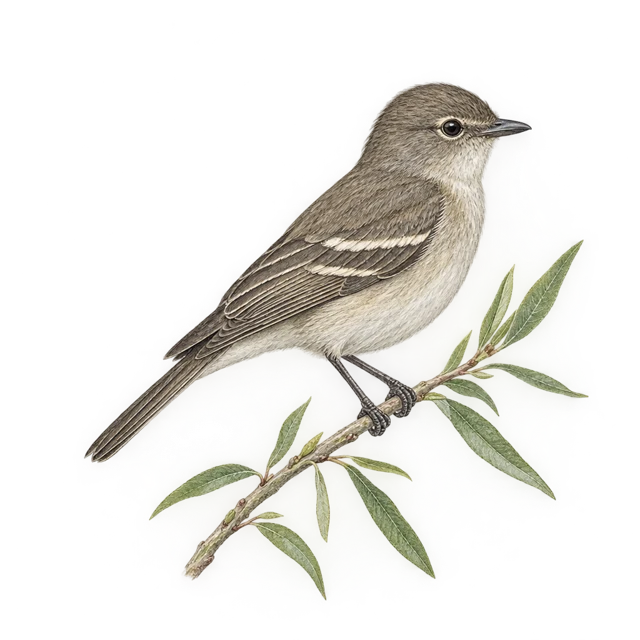 Southwestern Willow FlycatcherEmpidonax traillii extimusSpecies details
 Federal ESA
Endangered
State listing
California: EndangeredCalifornia listing covers all willow flycatcher subspecies.
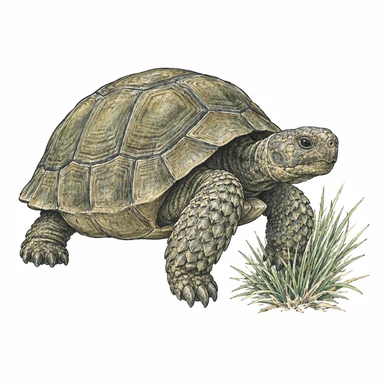 Mojave Desert TortoiseGopherus agassiziiSpecies details
 Federal ESA
ThreatenedFederal listing shown for the Mojave population.
State listing
California: Endangered
Selected Texas and California listings, checked September 13, 2026. T&E = threatened or endangered. “Not listed” does not mean unprotected; other wildlife protections may apply. Species experience describes prior work, with current survey authorizations confirmed for each project.
 Bio Logical LLCContract desert tortoise biologist2026–present
 Tortoise GroupVolunteer2026–present
 WSP USAContract desert tortoise biologist2025–2026
 University of North TexasField supervisor2024University of IllinoisGolden-cheeked Warbler research technician2024
 ArcadisEnvironmental scientist2014–2023Southern Sierra Research StationYellow-billed Cuckoo field supervisor2022
 American Bird ConservancyBlack-capped Vireo research technician2021
 Madagascar Research & Conservation InstituteForest conservation volunteerMadagascar · 2017
 La Senda Verde Animal RefugeWildlife refuge volunteerBolivia · 2016
 IUP Research InstituteCerulean Warbler research technician2015
 Mississippi State UniversityAvian research technician2014
 CreesConservation InternPeru · 2013–2014
 Travis AudubonVolunteerAustin, Texas
 Woodlands ConservancyVolunteerWoodlands Trail · Belle Chasse, Louisiana
Explore my survey services. Résumé, W-9, certificate of insurance, and named references available for project and subcontract inquiries. Consulting firms: see how subcontracting works.
Schedule a free 15-minute call. I’ll tell you what, if anything, your project needs.