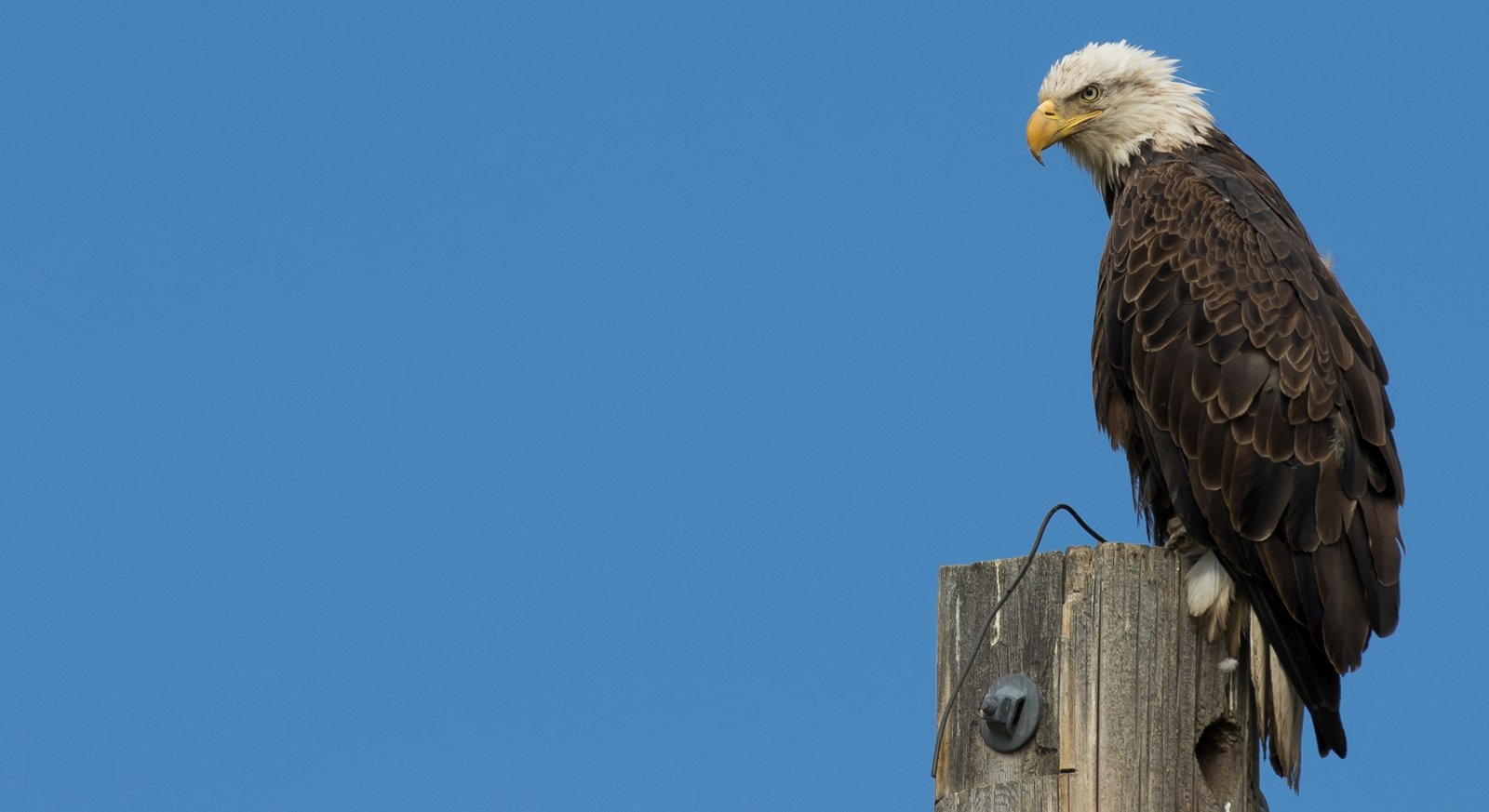
When a nest is found
Pause the affected activity and establish the facts
Protect the immediate area
Avoid touching the nest, eggs, young or nearby vegetation while the situation is evaluated.
Confirm what is present
Determine species when practicable, whether the nest is in use, the young’s dependency and the location relative to work.
Review governing requirements
Check applicable law, agency direction, permits, plans, contracts and client procedures. Eagle and listed-species questions follow additional rules.
Set a project-specific measure
Options may include sequencing, a temporary avoidance area, monitoring or agency coordination. Document the basis and communicate it to the field team.
Verify before resuming
Work near the nest should resume only when the relevant condition is met and the decision is documented by the responsible party.
Important distinction
“Active” and “in-use” are often used differently
The U.S. Fish & Wildlife Service’s 2025 nest memorandum uses in-use nest for a nest containing viable eggs or nestlings, continuing until fledged young are no longer dependent on it. A nest being built before the first egg is classified as inactive under that memorandum, although other laws, species protections or project commitments may still matter.
Do not assume an empty-looking nest is available for removal. Confirm nest status and check whether the species or structure has additional protection.
Primary references
Current federal starting points
- U.S. Fish & Wildlife Service: Bird nests
- U.S. Fish & Wildlife Service: 2025 nest memorandum
- U.S. Fish & Wildlife Service: transportation avoidance and minimization measures